


07 Aug Complete Guide to High-Altitude Expeditions: Training, Gear, and Acclimatization Tips
Nearly 4 out of 10 climbers who go above 5000 meters get hit with some form of altitude sickness. And here’s the weird part, most of them were in great shape. Fitness alone just does not cut it up there. Something else is going on and it trips up strong climbers all the time.
High altitude asks for a different kind of prep. Not just gym time. You need training the right gear and a real plan for getting your body used to thin air. A good mountaineering company in India can help here too, honestly, because they know the weather patterns and the slow climb schedule better than any fitness app ever will. This blog walks through training, gear and acclimatization, one piece at a time. No fluff, just what actually works.
Why Altitude Messes With You
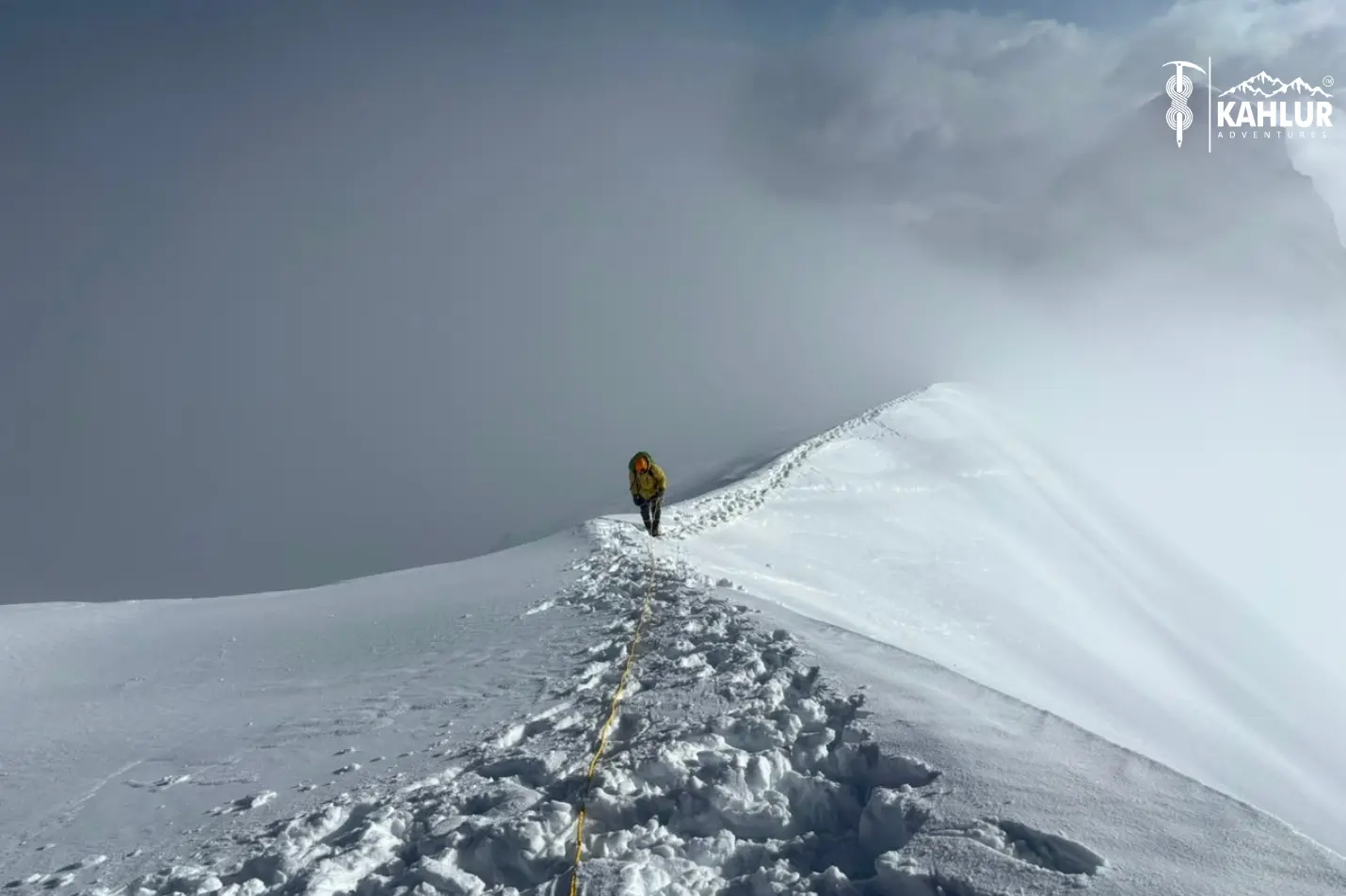
Once you cross 3000 meters, your body starts a fight you cannot really see happening. Oxygen drops. Your lungs work harder. Sleep gets weird. Appetite disappears sometimes, which sounds small but is not.
Headaches, nausea, bad sleep these are the early flags. Ignore them and things go downhill fast, sometimes literally.
Altitude studies keep pointing to one thing over and over. It is not fitness that predicts sickness. It is how fast you climb. Rush the ascent, even as a strong athlete and you will get hit harder than someone slower and steadier. That’s why good expedition plans always build in rest days. Tempting to skip them, sure.
Training Before You Book Anything
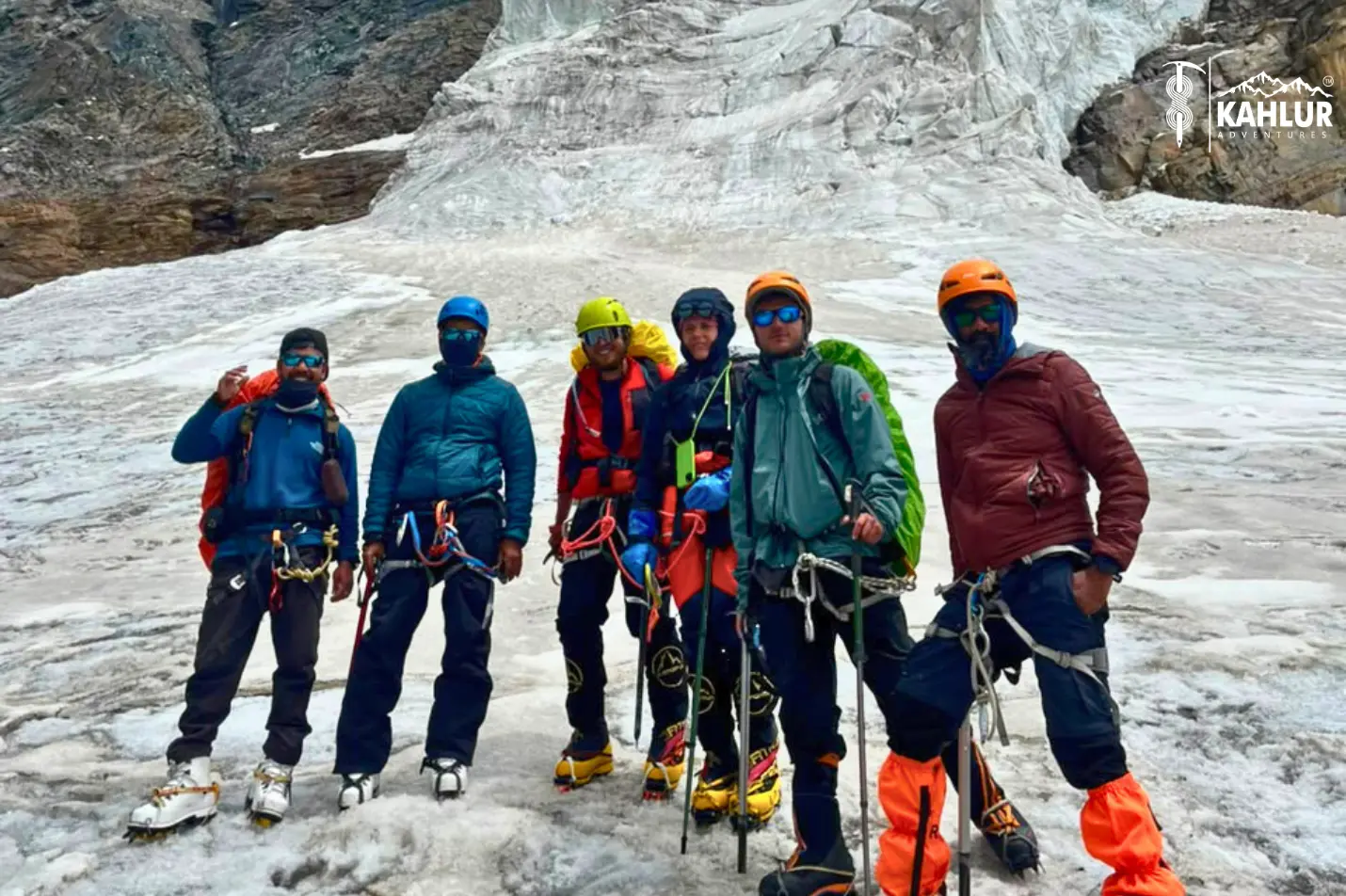
Gym work matters. But it is only one piece of a bigger puzzle. Cardio comes first and I mean real cardio. Long hikes. Stairs with a loaded pack. Cycling too. None of that replaces flat treadmill running, not even close.
Strength training comes next. Legs, core, back, the works, since you will carry weight for hours, sometimes days straight.
Then there’s the mental side, which people brush off way too easily. Summit day tests your patience more than your muscles. Ask anyone who’s turned back 200 meters from the top because the weather flipped.
Climbers gearing up for something like a Mount Elbrus expedition often spend months just doing stair repeats with a weighted bag. Sounds like overkill. Ask them at 5000 meters why their legs feel like sandbags anyway.
Gear That Actually Pulls Its Weight
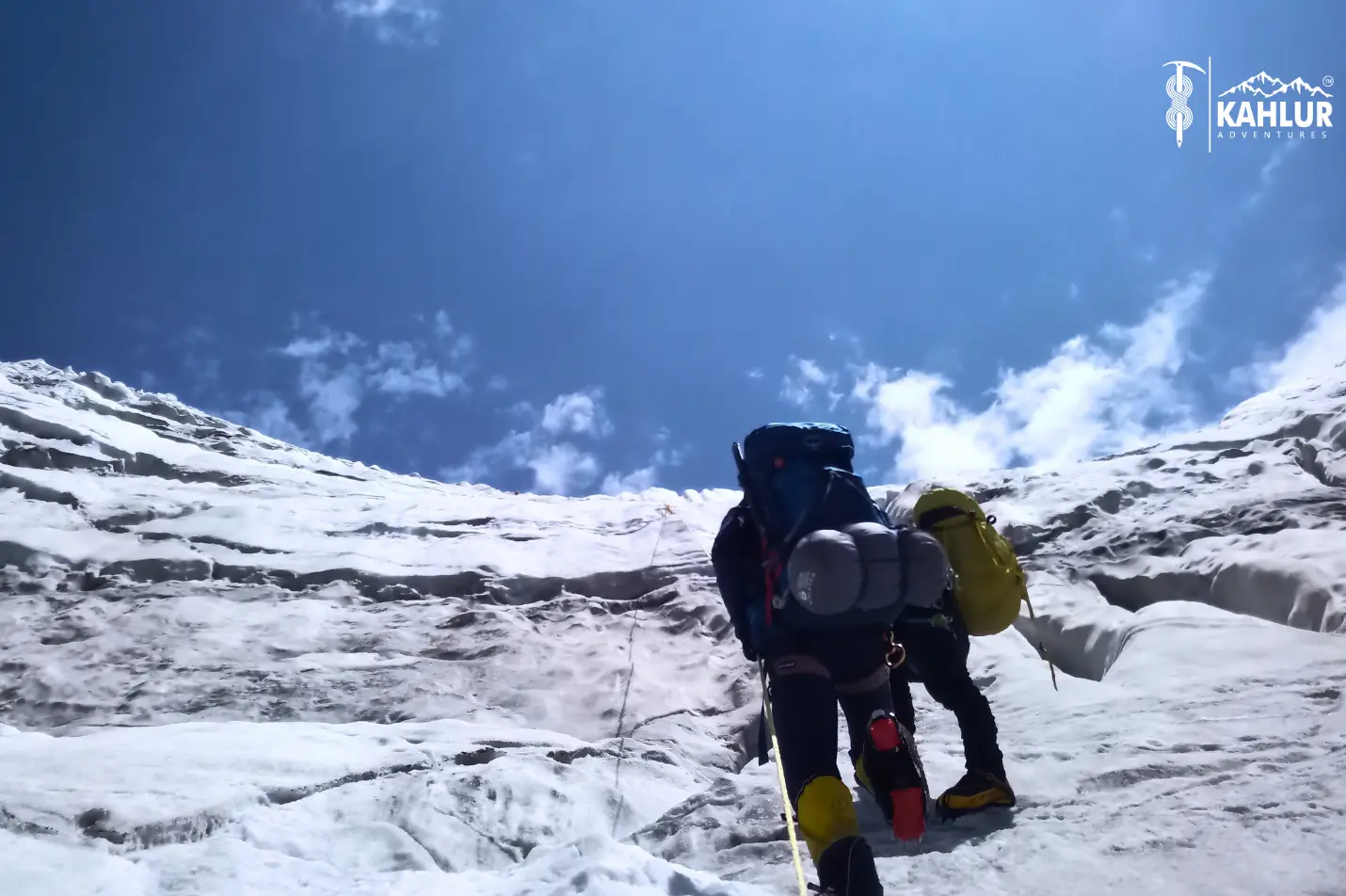
Packing smart is not about bringing everything you own. It’s picking what earns its spot in the bag. Most first-timers either overpack or forget something basic. Here’s what actually matters:
- Layers: a base layer to move sweat away a warm mid layer and a shell that blocks wind
- Boots: broken in already, never fresh out of the box, trust me on this one
- Sleeping bag: rated colder than you think you will need
- Headlamp, spare batteries, basic first aid and some way to reach help if signal drops out
- A wide-mouth bottle that will not freeze shut, plus electrolyte tabs
One thing people forget constantly, sun protection. Snow bounces UV rays right back at you. Burns happen fast up there even under grey skies.
Acclimatization, The Part Everyone Skips
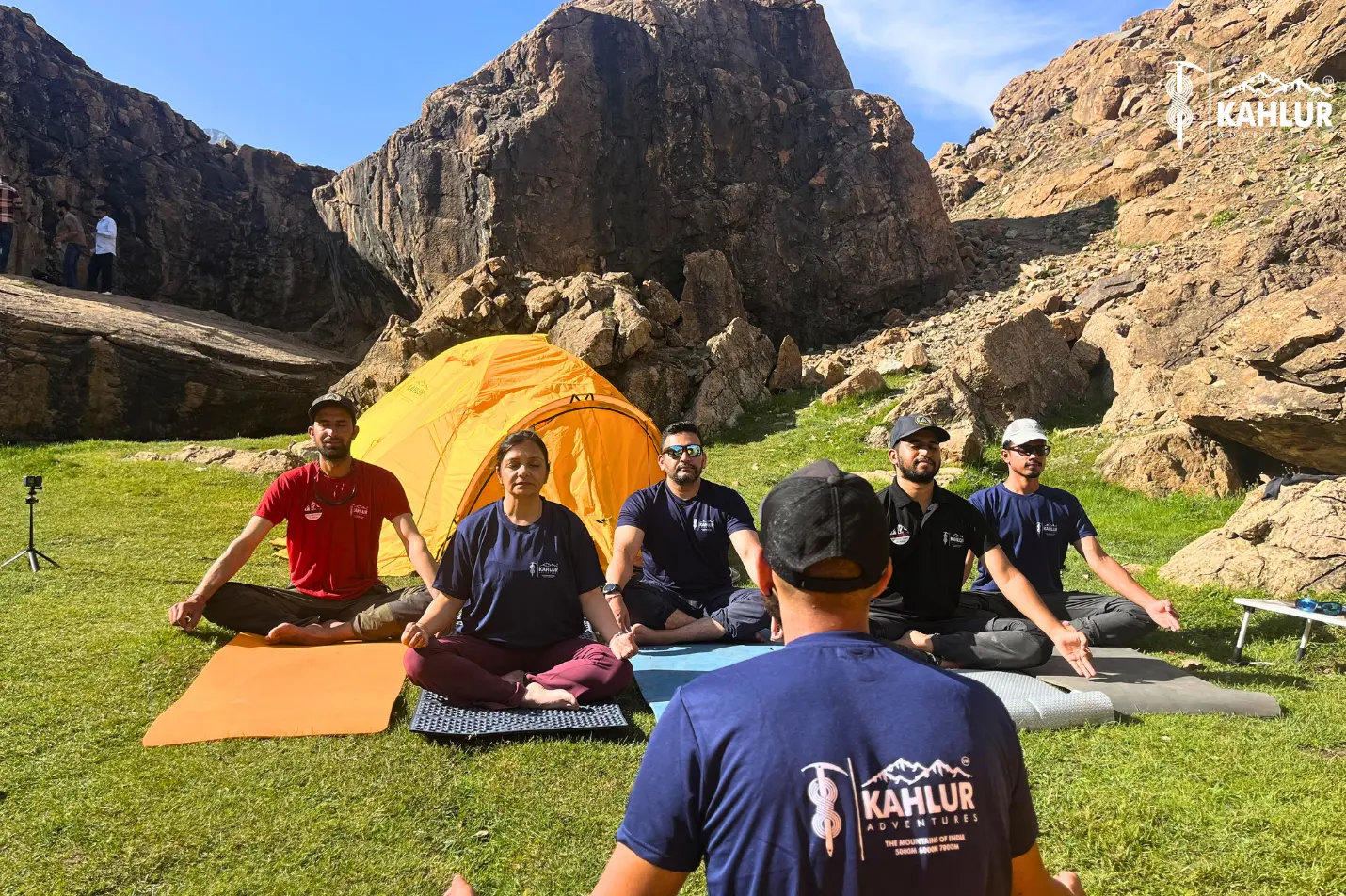
This is where most expeditions actually win or lose. Acclimatization is just your body slowly getting used to less oxygen. Rush it and that’s the mistake that ends climbs early.
The rule almost every guide repeat is climb high, sleep low. Push higher during the day, then drop back down to sleep at a lower camp. It forces your body to adjust without getting overwhelmed all at once.
Drink more water than feels needed. Dehydration copies altitude sickness symptoms almost exactly, which makes it confusing to tell them apart. Eat even when you do not feel hungry your body’s burning calories fast just to keep basic stuff running. And keep an eye on your teammates too not just yourself. Early symptoms show up easier from the outside looking in.
What Elbrus and Aconcagua Teach Us
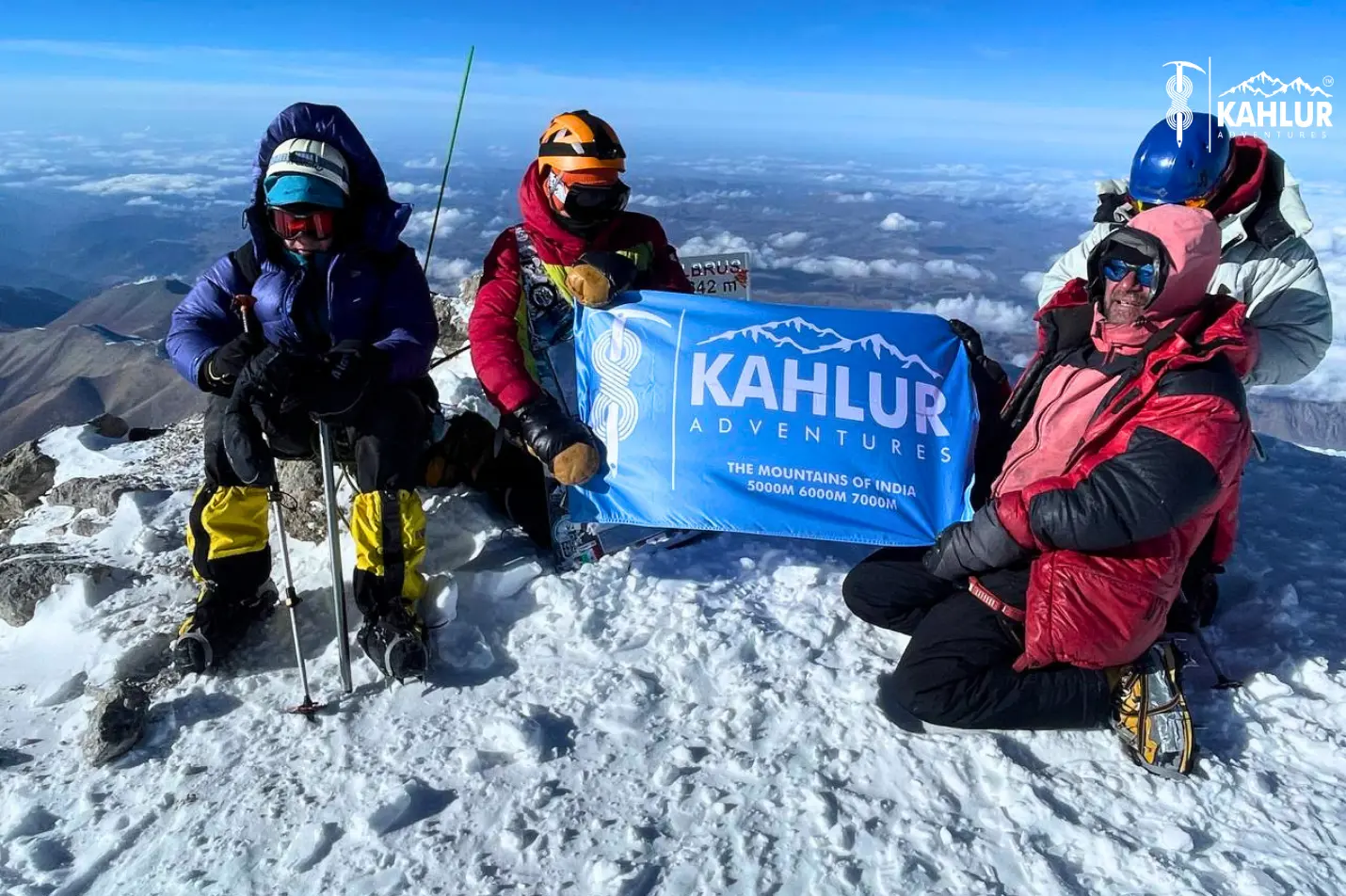
Most serious climbers eventually study the world’s most climbed peaks. Two names come up again and again.
A Mount Elbrus expedition in Russia gets called the easiest of the Seven Summits, technically speaking. Yet people still fail there, not from lack of skill but from bad acclimatization.
Same story with an Aconcagua expedition in Argentina, the tallest peak outside Asia. It humbles climbers every single season and it’s not the technical stuff that gets them. It’s the sheer altitude gain packed into a short window.
Both mountains teach the same thing, honestly. Fitness gets you to base camp. Acclimatization is what gets you the rest of the way.
India’s Own High-Altitude Giants
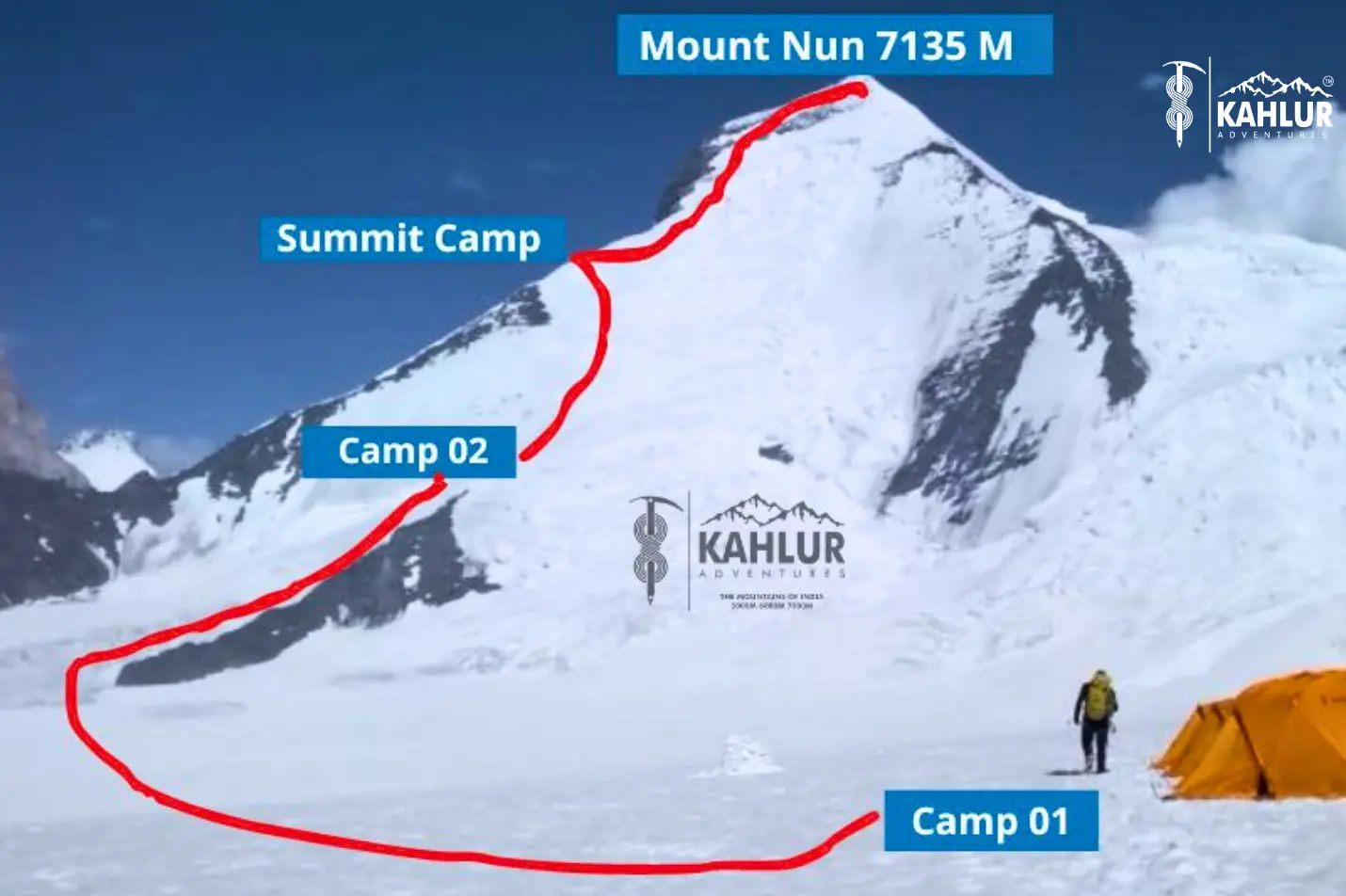
India does not get nearly enough credit for its mountains, though that’s slowly changing. Take a Mount Kun expedition, sitting past 7000 meters in the Nun Kun massif of Ladakh. It’s a genuinely technical climb, right up there with anything you would find abroad.
Climbers training for 8000m peaks often use Indian Himalayan routes like this one to prep. The terrain, the altitude swings, the unpredictable weather it all mirrors the bigger mountains pretty closely.
That’s also why picking an experienced mountaineering company in India actually matters. Local knowledge about weather windows and permits can make or break your whole timeline, sometimes without you even realizing it until it’s too late.
Your Expedition Checklist
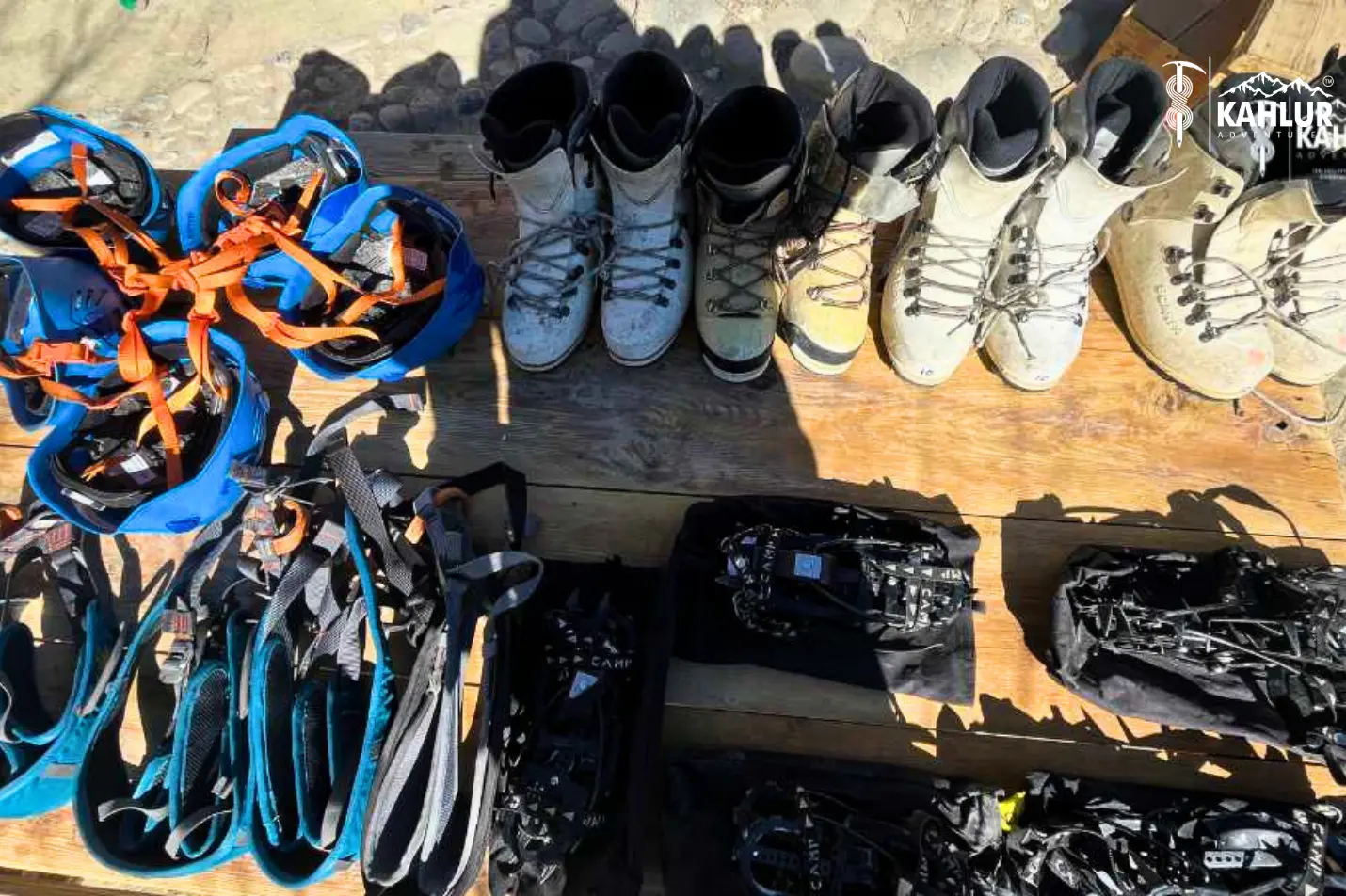
Before any climb, experienced teams lean on a written expedition checklist instead of just trusting memory. Makes sense too, since altitude messes with decision-making. Having it written down removes the guesswork when your brain’s running on less oxygen than usual.
A solid checklist covers permits and insurance paperwork, physical gear, medical basics including altitude medication if it’s been prescribed and a communication plan shared with someone back home. Skipping this step rarely feels urgent, until suddenly it is.
Conclusion
High-altitude climbs reward prep way more than raw talent. Training builds the base. Gear keeps you protected. Acclimatization decides whether you actually reach the top or turn back early. None of this work alone, and climbers who respect all three usually come home with better stories and fewer close calls.
Whether it’s an Indian Himalayan peak or an international classic on your list next, working with a team that understands both training and terrain counts for a lot. Kahlur Adventures brings exactly that kind of guided expertise to climbers chasing their next big summit.
FAQs
How long does acclimatization take before a high-altitude expedition?
Most climbers need about 3 to 7 days of gradual altitude exposure before pushing for a summit above 6000 meters. Depends on the route and how much experience you’re bringing in.
Is prior mountaineering experience required for a Mount Kun expedition?
Yes. Mount Kun is a technical climb, so prior 6000m experience or formal training is strongly recommended before signing up.
What fitness level is needed for an Aconcagua expedition?
Solid cardio and multi-day trekking experience go a long way. No technical climbing skills required, but the long summit days will test your stamina hard.
What should go into a basic expedition checklist?
Permits, insurance papers, layered clothing, altitude medication if prescribed, navigation tools, and a communication plan for emergencies back home.

Sorry, the comment form is closed at this time.